
Mnemonic Alphabet
The System
A–Z
Color Alphabet
26 letters. 26 unique colors. One cipher system to encode any message visually.
History of Cryptography
From Caesar's battlefield dispatches to quantum-resistant algorithms — 2,000 years of secrets.
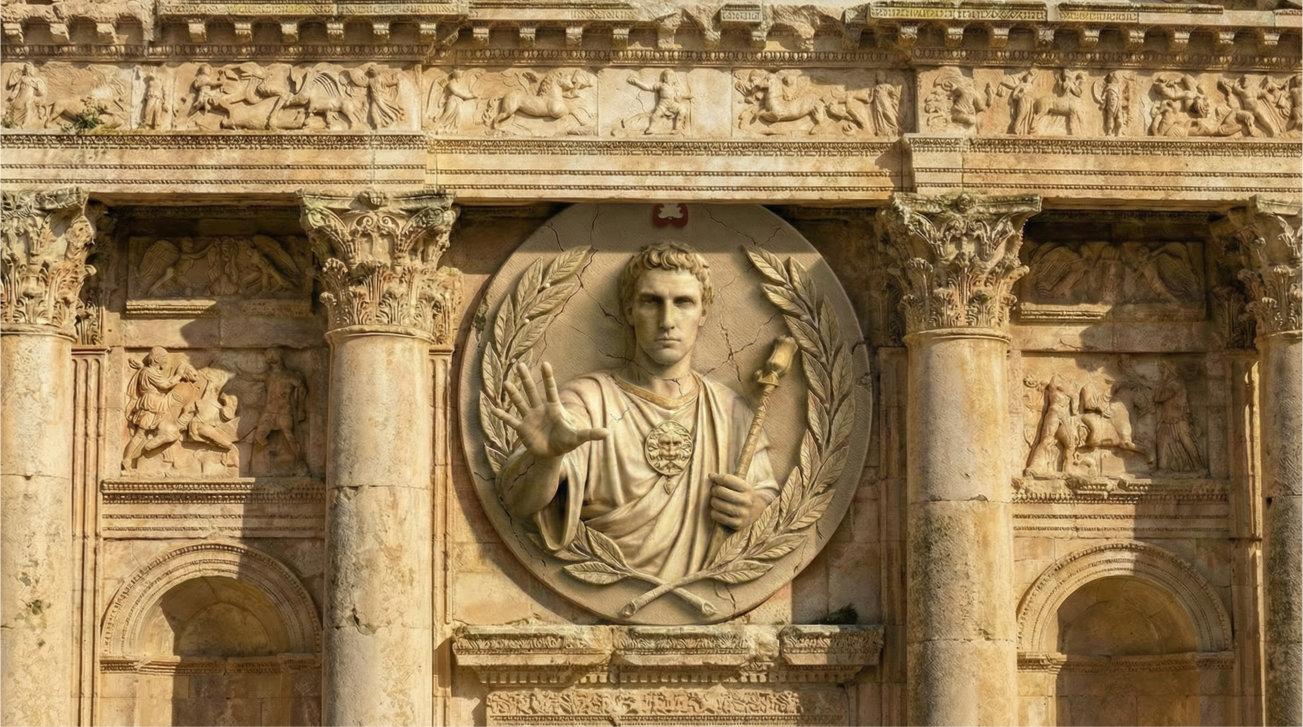
The Caesar Cipher
Julius Caesar protected military orders by shifting each letter three positions in the alphabet — the first documented substitution cipher in Western history.
Shift of 3 positions. A→D, B→E, C→F. Simple yet effective against illiterate messengers.
What this man is holding is called Scytale. The skytale was more than a cipher; it was a testament to an ancient truth: secrets are not hidden in the words themselves, but in the way they are seen. For centuries, it remained one of history's first transposition ciphers — a simple wooden rod that turned language into chaos, and chaos into victory. The enemy had the letters, but they did not have the key. They saw the forest, but could not find the trees. The same principle underlies our encryption system. Simple and convenient.
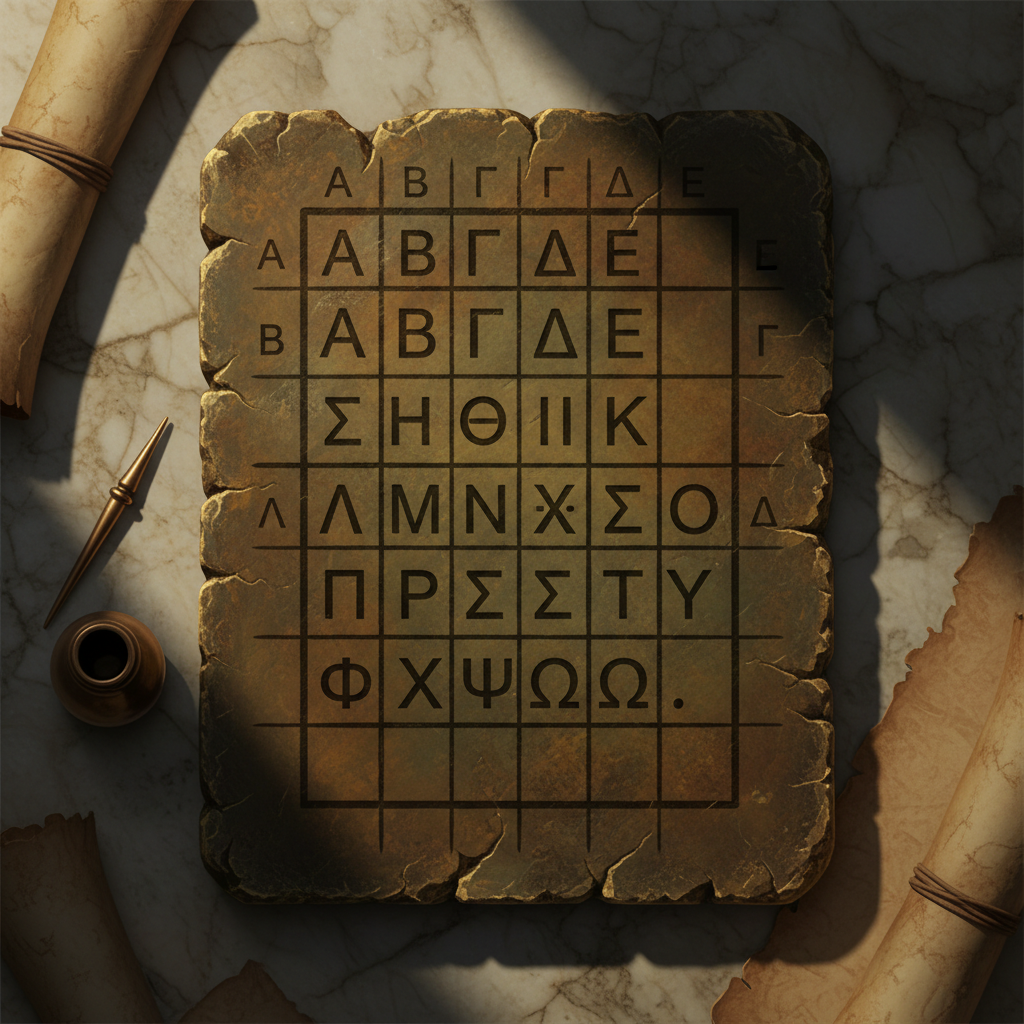
The Polybius Square
Greek historian Polybius devised a 5×5 grid that assigned each letter a pair of numbers — rows and columns — transforming words into coordinate pairs. Soldiers could signal messages across distances using torches, one number at a time.
Each letter becomes two digits: A=11, B=12, C=13… Z=55. The grid is the key — lose it, lose the message.
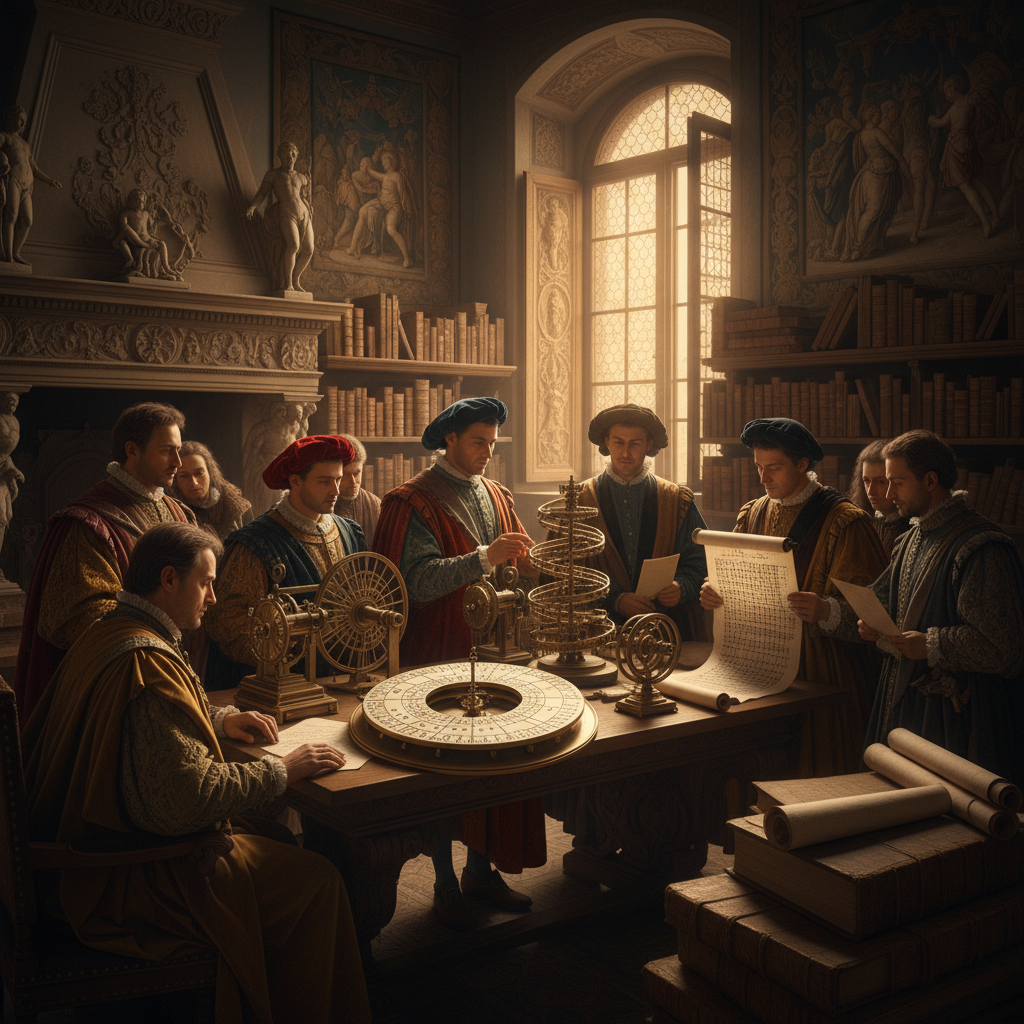
Vigenère & Polyalphabetic Ciphers
Leon Battista Alberti invented the cipher disk; Blaise de Vigenère perfected the polyalphabetic cipher — using a keyword to cycle through multiple Caesar shifts.
Called "le chiffre indéchiffrable" (the indecipherable cipher) for nearly 300 years.
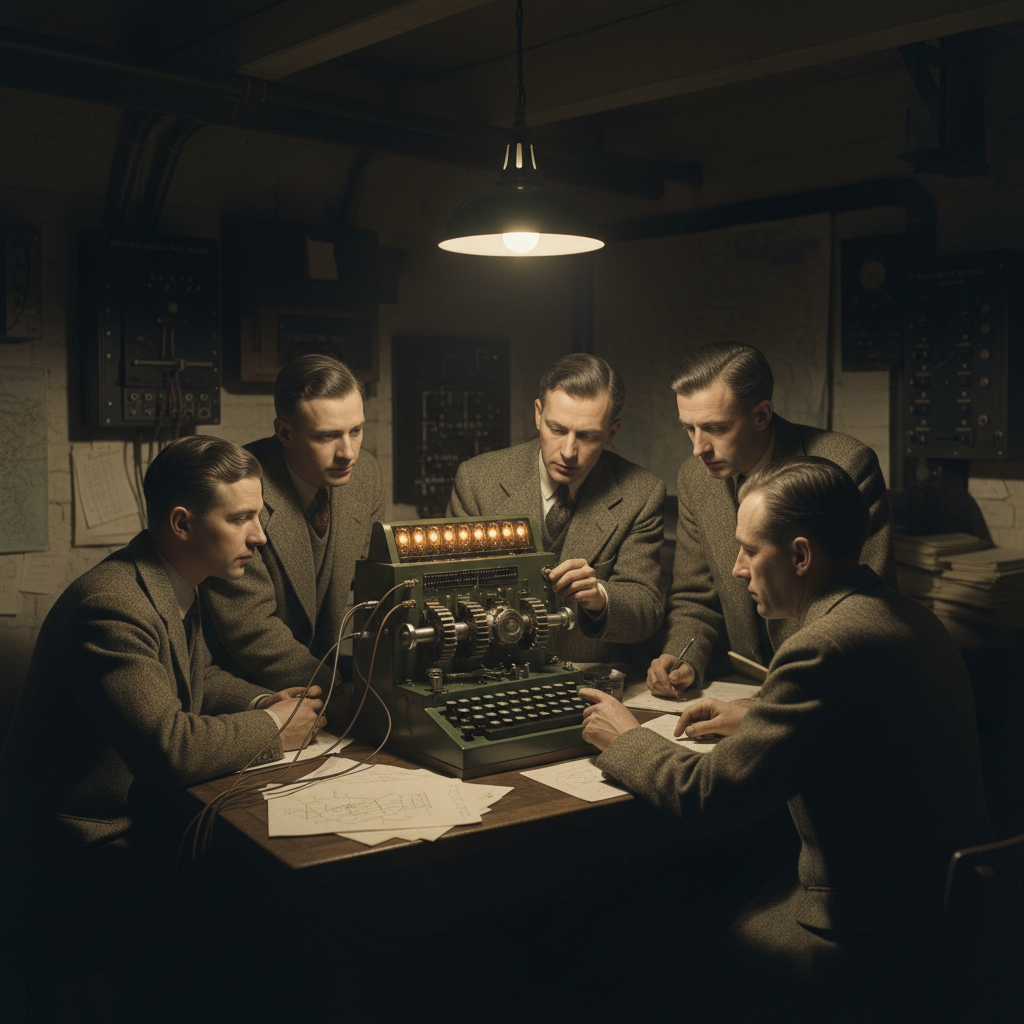
The Enigma Machine
Nazi Germany's Enigma machine used rotating electromechanical rotors to generate a staggering number of possible settings. Alan Turing's Bombe machine cracked it — shortening the war by an estimated two years.
Possible Enigma configurations: 158 quintillion. Turing's insight: exploit known plaintext patterns.
Public-Key & Quantum Cryptography
Diffie–Hellman key exchange (1976) and RSA (1977) revolutionized secure communication. Today AES-256 protects banking, messaging, and the internet — while quantum cryptography promises unbreakable encryption through physics.
Your HTTPS connection right now uses descendants of these algorithms.
Mnemo Lisa
The system leverages dual-coding theory (Paivio, 1986): information stored both verbally and visually creates stronger memory traces. Studies show color associations can improve recall by 20–40% for short sequences — but effectiveness drops for long strings (>7 items) due to visual overload.
With all the power of modern cryptography, we have departed from the simple truths of antiquity: cryptography is for those who can discern the trees in the forest. That is, those who possess unique knowledge, or a key, that unlocks the door to understanding the essence of a message.
The mnemonic alphabet is based on a simple principle of memorization, embodied in this work of art, the Mona Lisa of the Bronx. She is the most stylish woman and knows her stuff. And every accessory in her wardrobe reflects her profound knowledge of codes.

The story continues — color is the next cipher